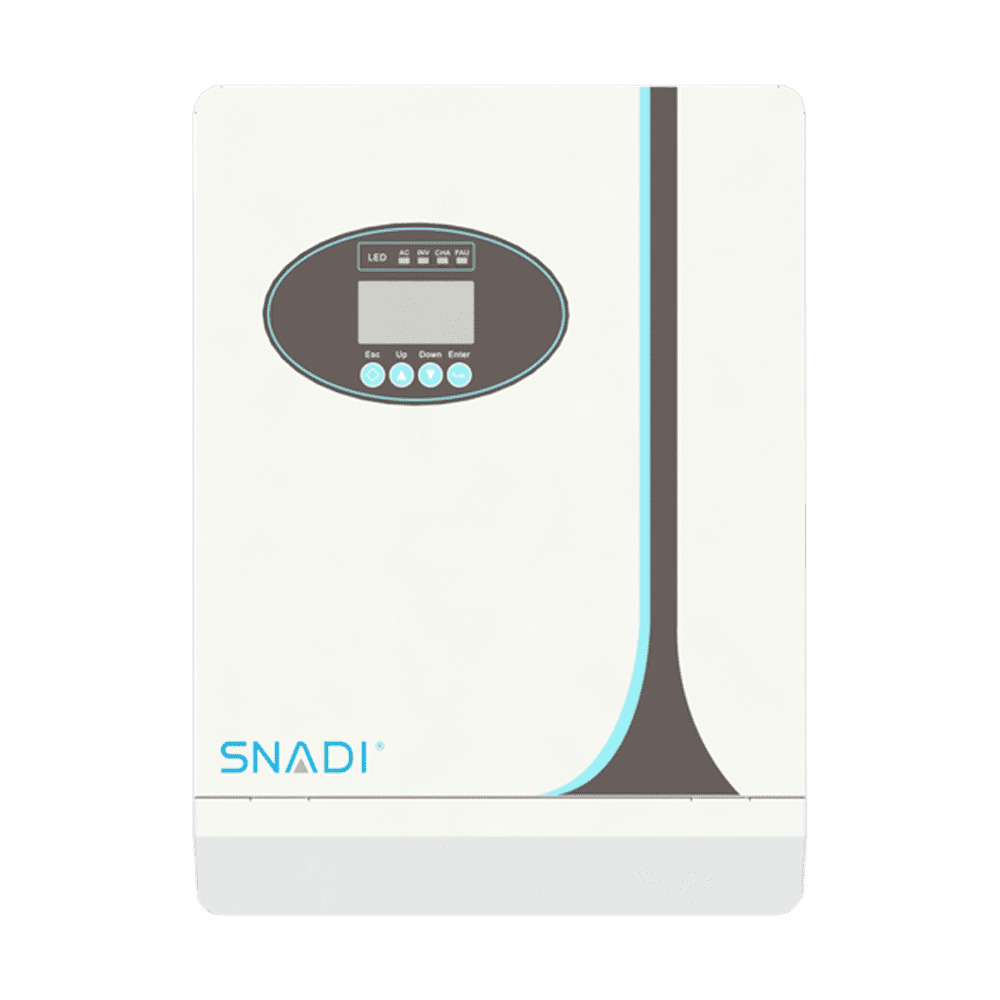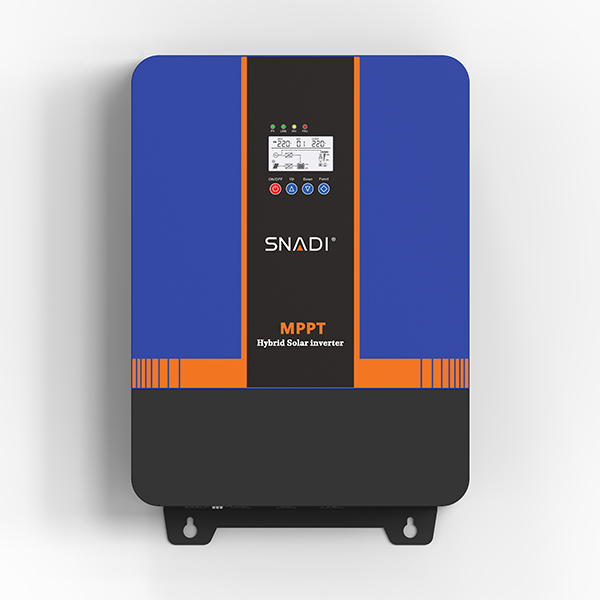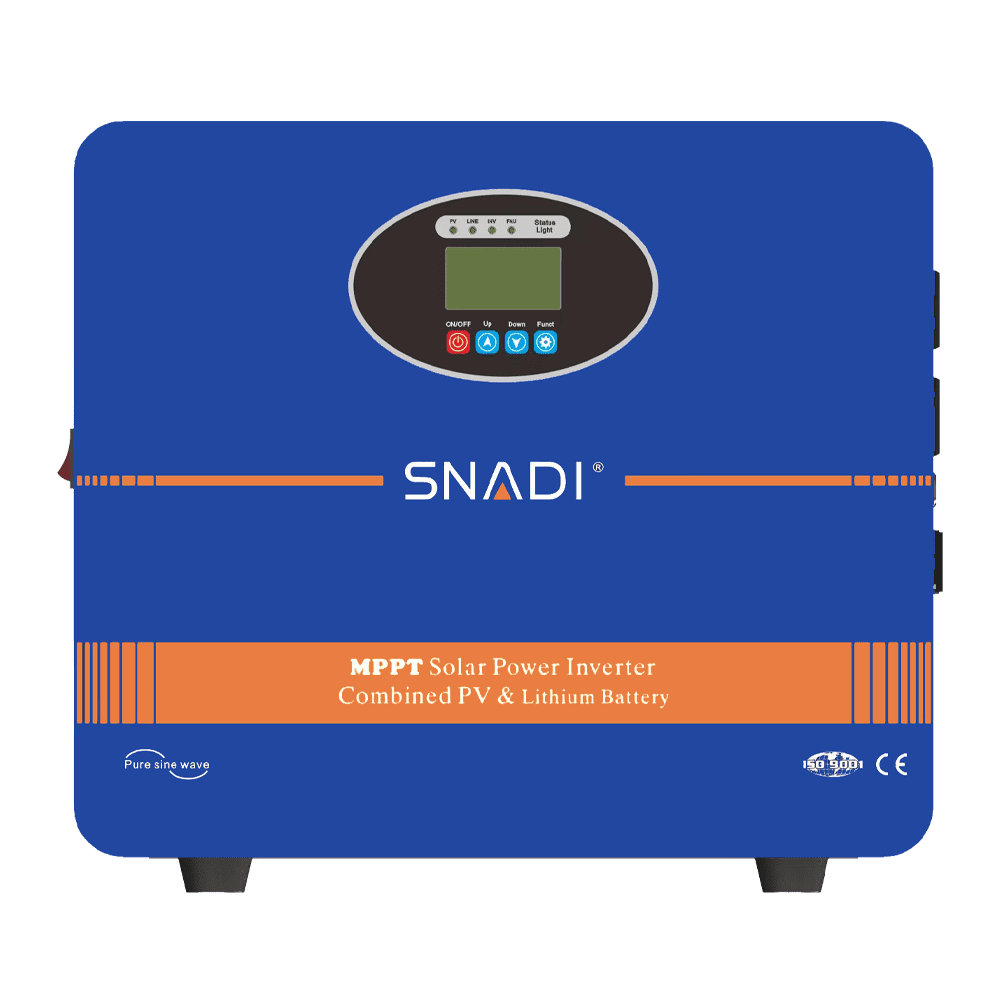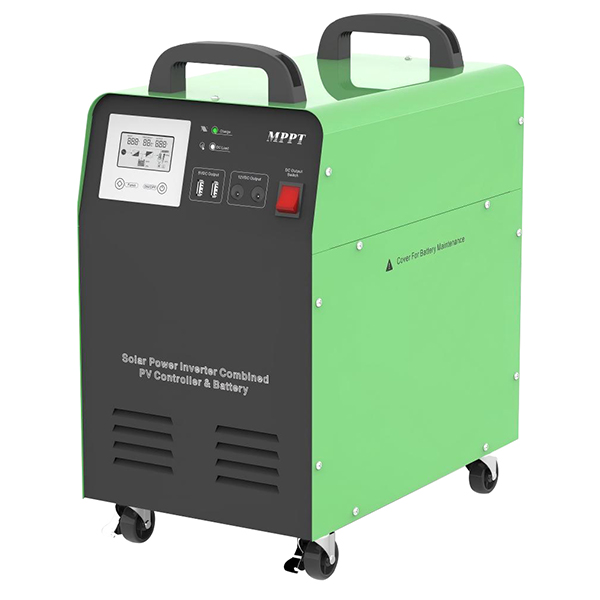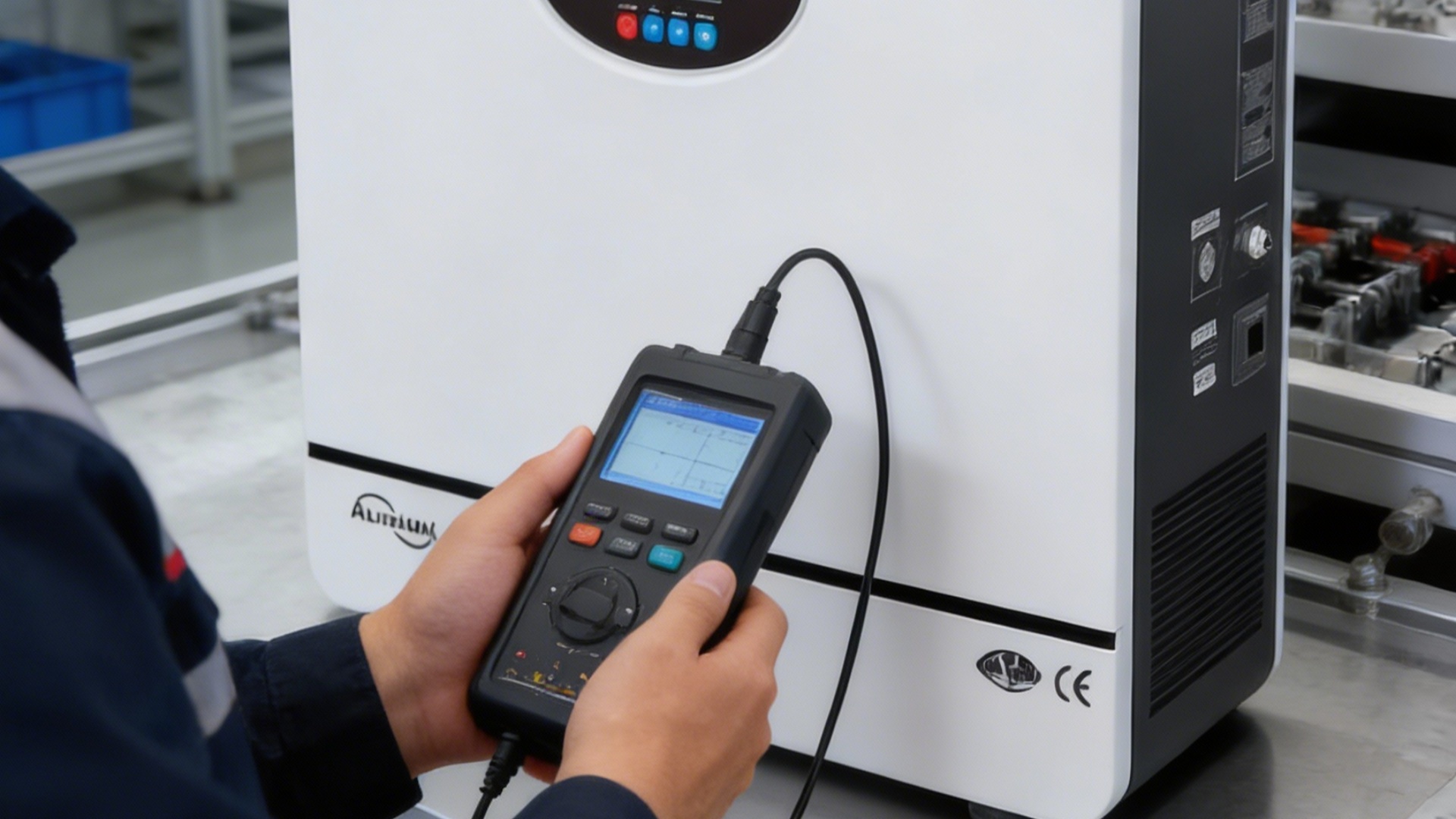
In the rapidly evolving landscape of renewable energy, the transition from lead-acid to Lithium Iron Phosphate (LiFePO4) technology has become the standard for commercial and residential energy storage. For solar installers, EPC contractors, and distributors, ensuring the long-term reliability of these systems is paramount. Whether you are deploying a wall-mounted SNADI AL-S Series or a high-capacity HDB Stacked Solar Energy Storage System, precision in maintenance is non-negotiable.
This guide explores the essential methodologies for field testing and explains why a high-quality battery tester for lithium batteries is the most important tool in your professional kit.
1. The Strategic Importance of Battery Testing in B2B Operations
In a B2B environment, a battery failure is not just a technical glitch; it is a threat to project ROI and brand reputation. Professional-grade testing ensures:
Quality Assurance: Verifying that the delivered units meet the specified capacity (e.g., the 200Ah rating of a SNADI AL-S10K)
Safety Compliance: Identifying internal resistance issues before they lead to thermal risks.
Warranty Management: Providing data-backed evidence for performance claims over the battery's 10-year service life.
As a leading solar product manufacturer since 2010, SNADI understands that reliability starts at the factory and continues through field verification.
2. Key Performance Metrics for LiFePO4 Systems
Before deploying a battery tester for lithium batteries, technical teams must understand the specific parameters of modern ESS. SNADI systems operate on different voltage architectures that require specific testing thresholds:
A. Voltage (V)
12.8V Systems: Common in portable power supplies (MS Series) or small-scale AL-S units.
51.2V Systems: The standard for high-performance residential storage like the NLB Series or AL-S10K.
Significance: Voltage indicates the state of charge (SoC) and balance between cells.
B. Capacity (Ah & Wh)
SNADI offers a wide range of capacities, from 50Ah in the AL-S600 to 260Ah in the HDB Series.
Total Energy: A professional tester helps verify the total watt-hour (Wh) output (e.g., 8499WH for the NLB-6KW).
C. Cycle Life and Service Life
SNADI LiFePO4 batteries are engineered for a 10-year service life. Regular testing monitors the degradation curve, ensuring the system reaches its maximum lifecycle.
3. How to Use a Battery Tester for Lithium Batteries: Professional Protocols
Testing a lithium battery is significantly different from testing lead-acid. Use the following protocols for SNADI storage systems:
Step 1: Open-Circuit Voltage (OCV) Verification
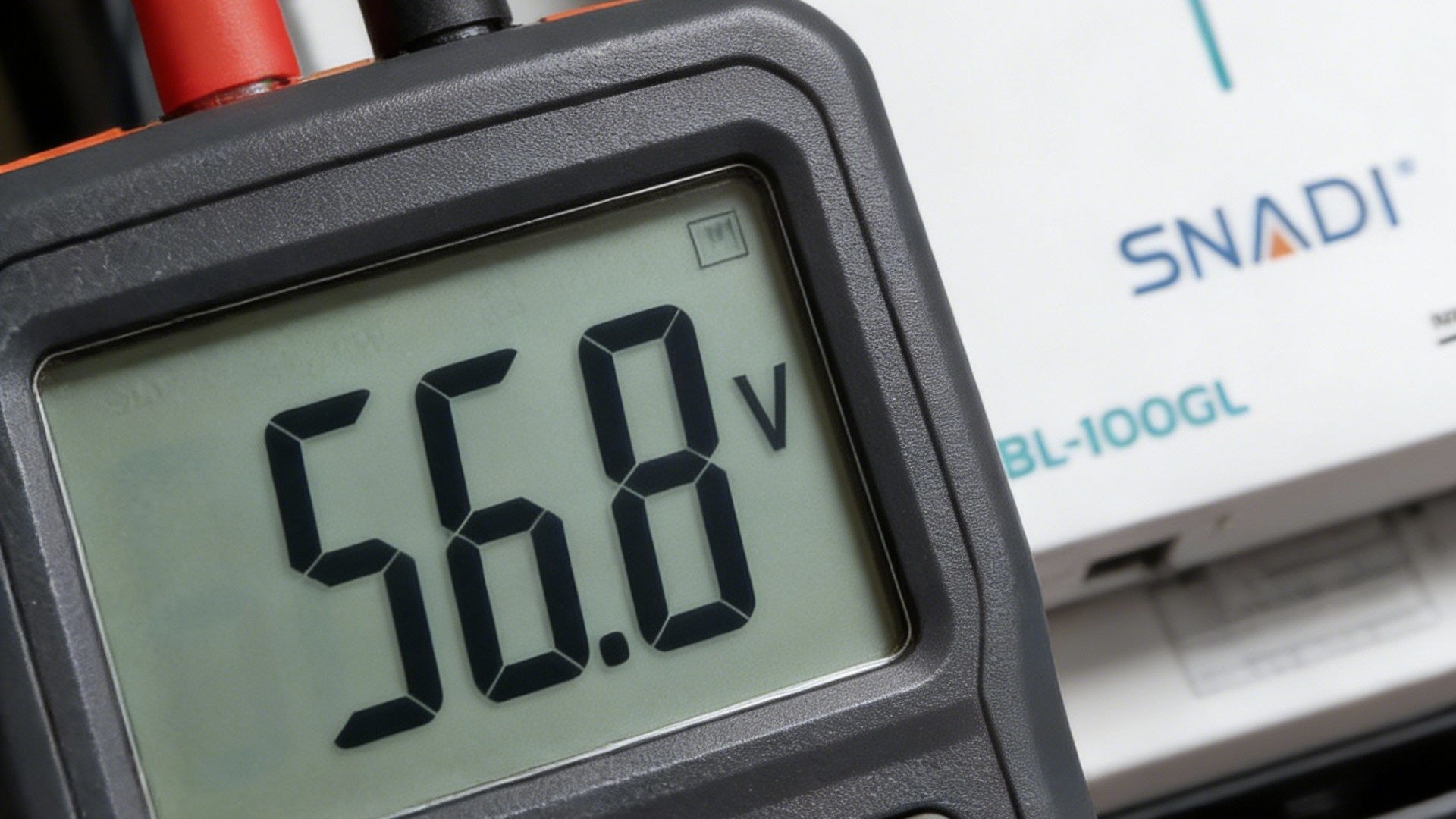
Using a digital multimeter or an integrated battery tester for lithium batteries, measure the OCV after the battery has been at rest for at least 4 hours.
For SNADI 12.8V Systems: A full charge should read approximately 14.2V.
For SNADI 51.2V Systems: The floating charge voltage typically reaches 56.8V.
Analysis: If the voltage is significantly lower than the nominal rating (e.g., <10V for a 12.8V system), it may indicate deep discharge or a faulty cell.
Step 2: Capacity Discharge Testing
This is the "gold standard" for B2B performance verification.
Fully Charge the SNADI battery using a compatible SNADI NKH or AS series inverter.
Apply a Controlled Load: Use a tester to discharge the battery at a constant current (C-rate). For example, a 0.5C discharge rate is standard for LiFePO4.
Measure Energy Output: Ensure the NLB-1.2KW delivers its rated 2124WH before reaching the low-voltage protection threshold (11.2V to 44.8V depending on the system).
Step 3: Load Testing and Dynamic Stability
Professional installers must observe how the battery reacts under high-surge conditions.
The Inverter Connection: SNADI batteries are designed to work seamlessly with Pure Sine Wave inverters.
Testing: Apply a surge load. Use your battery tester for lithium batteries to monitor the voltage drop. A healthy SNADI battery should maintain a stable voltage curve without triggering the overcurrent protection prematurely.
| Metrics | 12.8V Low-Voltage System (e.g., AL-S600) | 51.2V High-Voltage System (e.g., NLB / HDB Series) |
| Nominal Voltage | 12.8V | 51.2V |
| 100% SoC OCV (Full Charge) | Approx. 14.2V - 14.4V | Approx. 56.8V - 57.6V |
| Floating Charge Voltage | 13.8V | 55.2V |
| Recommended Test Load | 0.2C - 0.5C | 0.2C - 0.5C |
| Low-Voltage Cut-off Threshold | 10.0V - 11.2V | 40.0V - 44.8V |
| Typical SNADI Models | AL-S600, MS Series | AL-S10K, NLB-6KW, HDB Stacked Series |
| Typical Application | Small-scale backup, Portable power | Whole-house ESS, Commercial & Industrial (C&I) |
4. SNADI: Your Strategic Partner for OEM and Integrated ESS Solutions
While testing is vital, the foundation of a reliable energy system is high-quality manufacturing. SNADI is not just a battery supplier; we are a complete energy storage system solution provider.
OEM & ODM Services for Global Brands
Operating from a 20,000 square meter factory with over 10 automated production lines, SNADI provides the infrastructure required for large-scale OEM projects.
Customization: We offer customized solutions for battery capacity, voltage, and exterior branding to meet your market's specific needs.
R&D Excellence: Our team of top engineers in the power electronics field continuously innovates to improve conversion efficiency and intelligent monitoring.
Integrated System Advantage
Choosing SNADI means accessing an integrated ecosystem. Our NLB and HDB series are designed with built-in or compatible MPPT controllers, improving charging efficiency by more than 20% compared to standard systems.
Smart Monitoring: Many SNADI systems support WiFi remote monitoring and RS485 communication, allowing B2B clients to monitor battery health without needing a manual battery tester for lithium batteries on-site every day.
5. Maintenance and Safety: The SNADI Standard
Safety is at the core of our "New Energy, New Life, New Future" mission. All SNADI lithium products undergo rigorous testing according to ISO 9001 and ISO 14001 standards.
-
Intelligent Protection: Every SNADI ESS features complete protection for overvoltage, overtemperature, and short circuits.
-
Advanced Heat Dissipation: Our designs include intelligent exhaust fan control, ensuring the battery remains within its optimal operating temperature (0-40°C or -20-50°C depending on the model).
Conclusion: Elevate Your Projects with SNADI
Investing in a high-quality battery tester for lithium batteries is a hallmark of a professional installer. However, the best way to reduce maintenance costs and ensure client satisfaction is to start with a superior product.
As a trusted power of choice since 2010, SNADI Solar provides the reliability, certification (CE, RoHS), and manufacturing scale required for B2B success. From portable power to stacked industrial storage, we are your partner in the green energy revolution.
✉️Email: exportdept@snadi.com.cn
Website:
www.snadisolar.com
☎️WhatsApp / WeChat: +86 18039293535