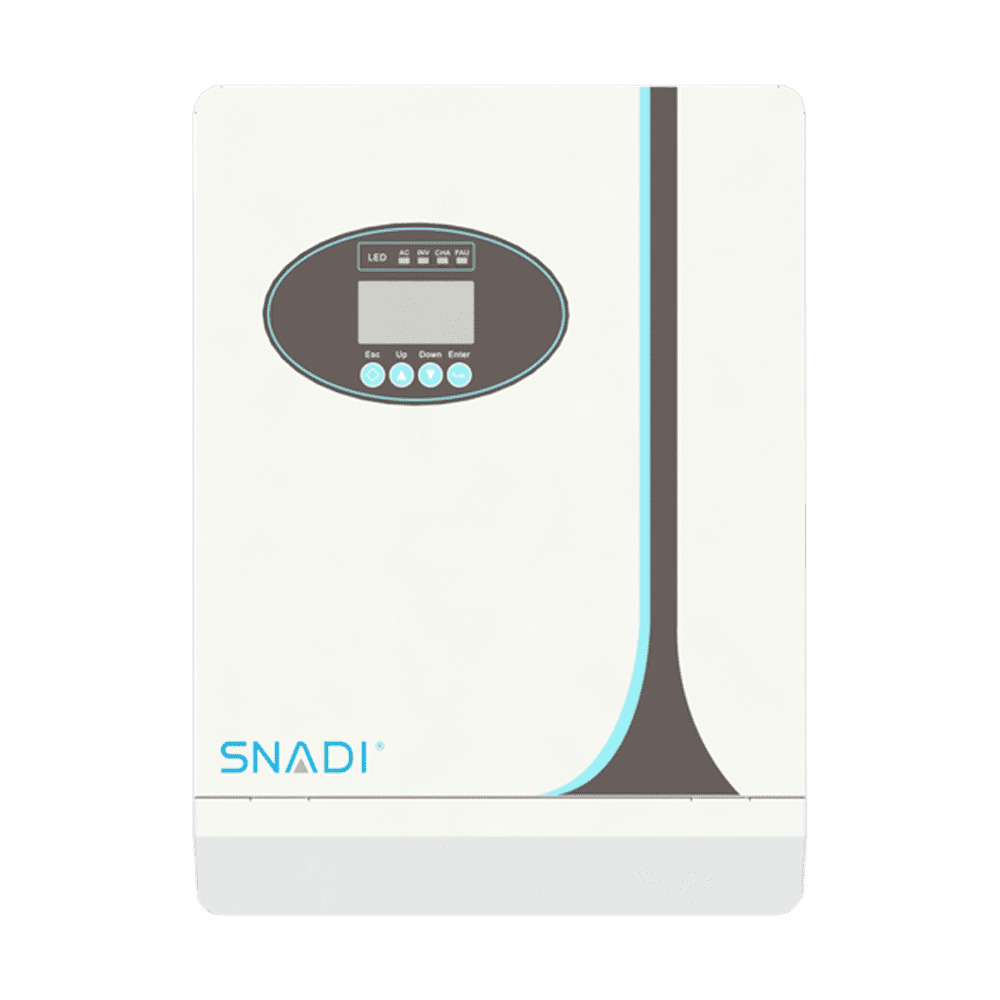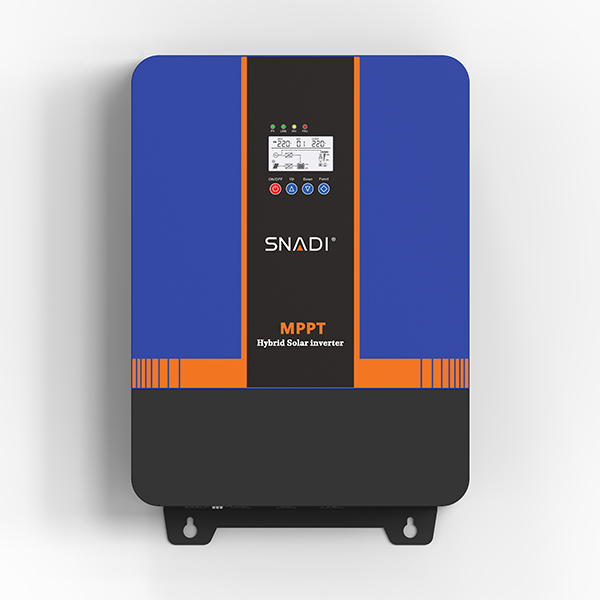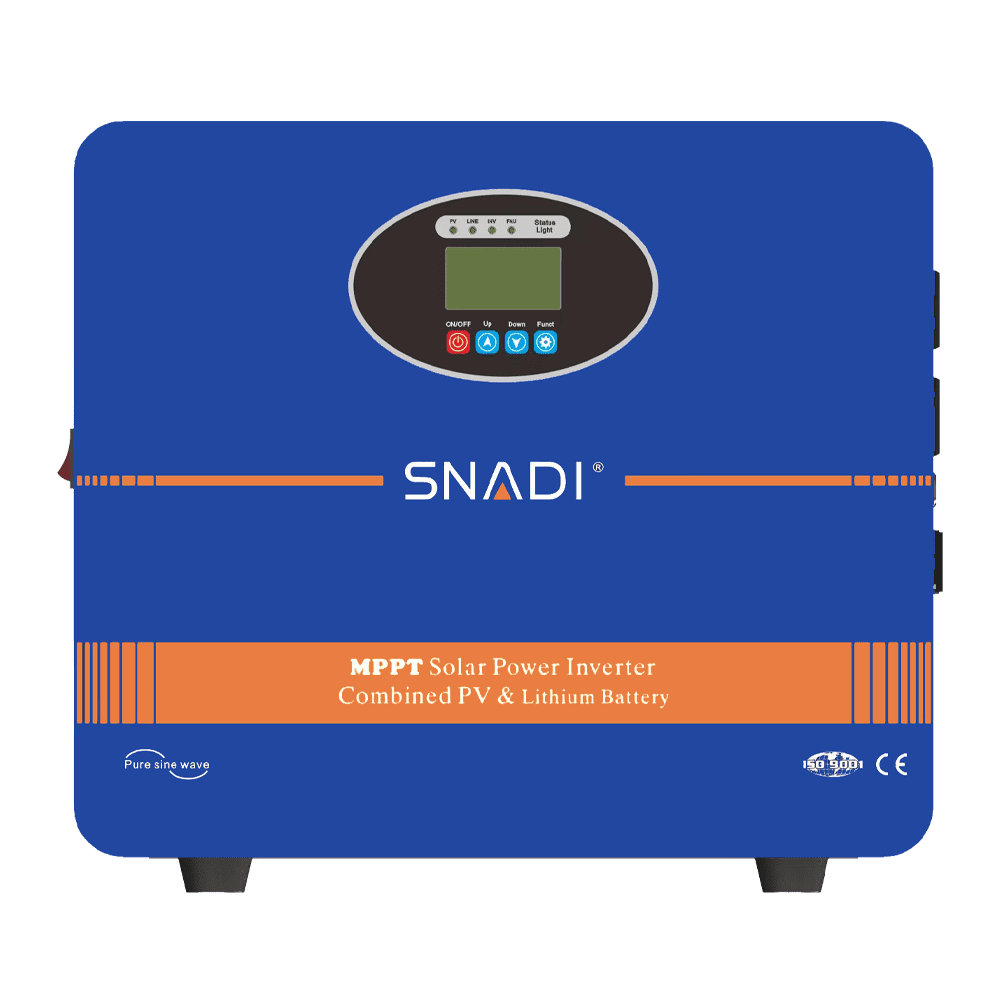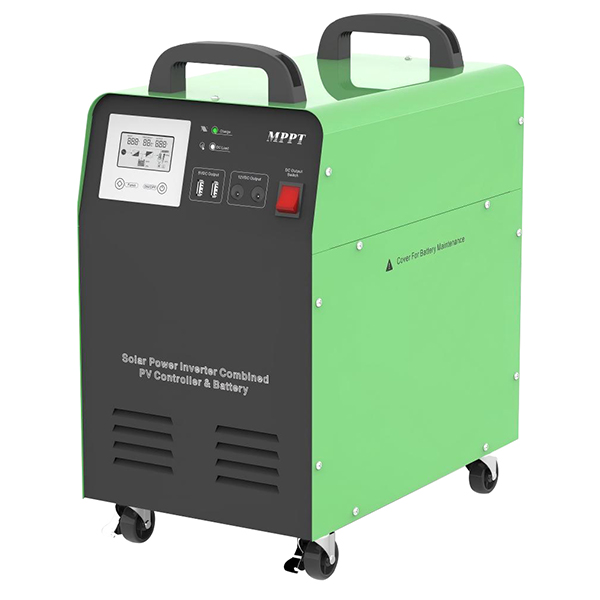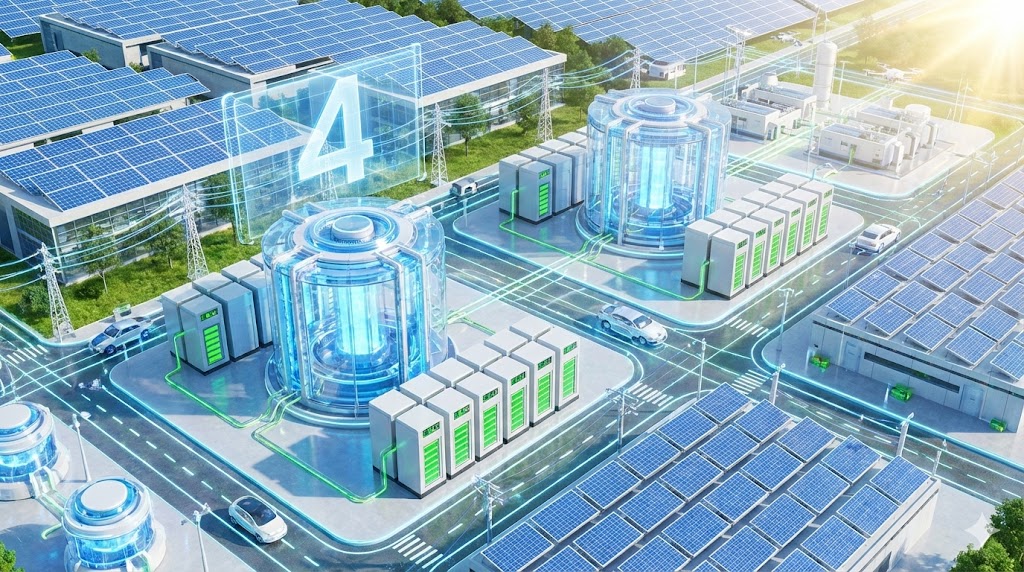
The global energy transition is accelerating, pushing the integration of solar PV and energy storage beyond simple physical addition. It has evolved into a profound systemic transformation known as solar-storage integration. This trend, now a strategic national priority, presents a critical challenge for savvy commercial and industrial (C&I) energy users: how to translate this macro-trend into a safe, efficient, and easily manageable on-site asset. SNADI/SNat solar's inverter: HDB Stacked Solar Energy Storage System is the groundbreaking answer, marking the industry's shift from complex "engineering projects" to a standardized, flexible era of productization.
The C&I solar-storage market is undergoing a fundamental shift, creating a perfect window for highly integrated products like the HDB. The Zero-Carbon Intelligence: 2025 C&I Solar-Storage Development Bluebook reveals China's C&I energy storage market surged by 74% year-over-year in 2024, with 8.2 GWh of new installations. Concurrently, market focus has moved from "mandated storage" to "self-generation and self-consumption", making the system's economic viability and intelligent load-matching capabilities paramount. The HDB's pre-integrated energy management and plug-and-play features enable owners to swiftly build a "PV + Storage" microgrid, maximizing self-consumption and precisely capturing peak-valley arbitrage revenue.
This productization trend is also driven by the need for global adaptability and rapid deployment. Internationally, leading solutions emphasize modularity and flexible combination to enhance logistics and on-site efficiency. The HDB's stacked design and pre-fabricated production allow it to be deployed like a standard industrial product, quickly meeting diverse global demands, shortening delivery cycles, and reducing project risk.
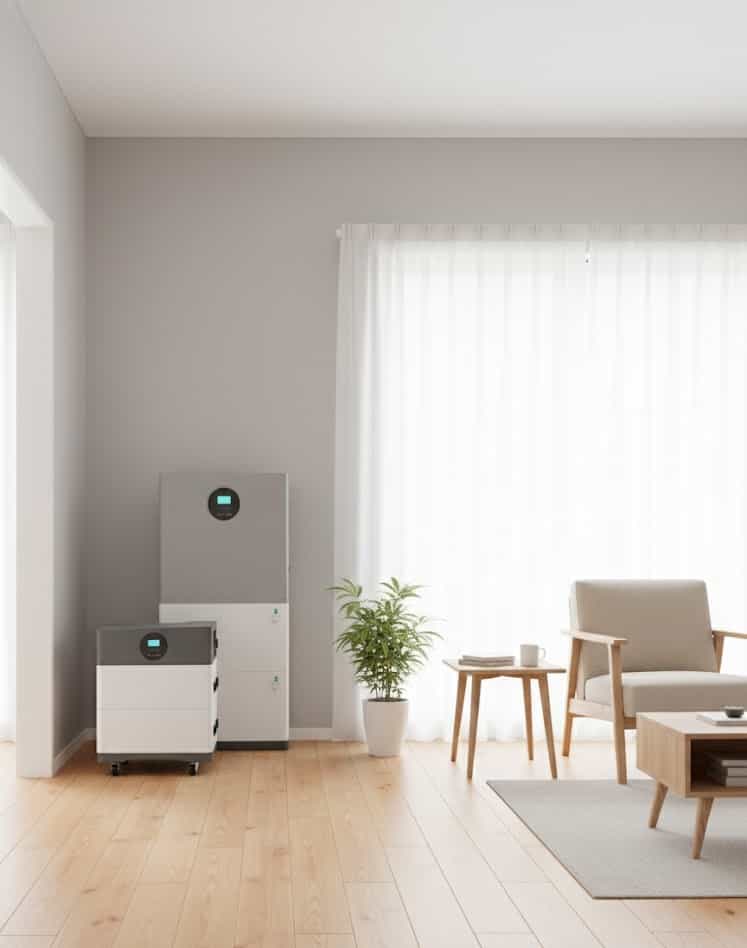
SNADI/SNAT's HDB Stacked ESS is not merely a pre-packaged set of devices. From its inception, the DNA of "integration" has been embedded into every module. Moving past the era of incompatible, piecemeal systems, the industry demands truly integrated solutions. The HDB is a genuine All-in-One system. As SNADI/SNAT engineers state, it deeply integrates battery modules, the Battery Management System (BMS), the Power Conversion System (PCS), and thermal management into a single standardized cabinet. This unified design eliminates on-site integration uncertainties, ensures optimal internal communication, enables highly efficient DC coupling from the DC side to the AC side, and boosts overall efficiency and reliability.
Whether for utility-scale projects or flexible C&I scenarios, modularity is a foundational design principle. It allows for easy capacity and power expansion through the stacking and paralleling of standardized units. "Stacked" is the core philosophy of the HDB. Each HDB unit is an independent "energy block." Users can start with a single unit based on their current budget and needs. As production scales or demand grows, capacity can be increased seamlessly by adding more units like building blocks. This flexibility completely alleviates the upfront investment pressure for C&I users.
As storage systems scale, the importance of intelligent operation and maintenance (EMS) becomes critical. The "Technical Specification for Commercial and Industrial Energy Storage Energy Management Systems," released on November 30, 2025, provides standard guidance for the intelligent management of systems. An advanced EMS does more than facilitate arbitrage; it enables predictive optimization, demand response, and enhanced safety. The HDB system features an integrated, intelligent EMS. It acts not only as the local "brain" for automated charge/discharge strategies and real-time monitoring but also as an edge node that coordinates with upper-level cloud platforms or campus microgrid management systems. This allows the solar lnverter like HDB to integrate seamlessly into future new business models like Virtual Power Plants (VPPs), transforming a simple power consumer into an intelligent asset that can participate in grid dispatch, unlocking multiple revenue streams.
Conclusion
The ultimate goal of solar-storage integration is to build a more flexible, economical, and secure distributed energy system. In this process, the inverters like the SNADI/SNat solar HDB Stacked ESS, through its three core traits of integrated design, modular stacking, and intelligent O&M, successfully deconstruct complex solar-storage engineering. They transform it into a modern industrial product that is standardized in production, flexible in configuration, and intelligent in operation. It represents not just a technological advancement but a business model innovation—empowering every business and factory owner to embrace the future of energy transformation with lower barriers and more predictable returns. This is the most powerful response of product strength to industrial trends.
Contact our sales team to request a quotation or customized project proposal:
Email: exportdept@snadi.com.cn
Website: http://snadisoalr.com
WhatsApp / WeChat: +86 18039293535