Transitioning to solar power is one of the most impactful decisions a homeowner can make. It offers the dual benefit of reducing your carbon footprint while securing long-term financial savings against rising utility costs. However, a successful residential solar installation requires more than just buying panels; it requires careful planning and strategy.
From auditing your current energy use to selecting the right installer, here is your comprehensive guide to planning a home solar electric system.
1. Optimize Your Home’s Energy Efficiency First
Before sizing a solar array, the smartest first step is to reduce the amount of energy you actually need. "Reduce before you produce" is a golden rule in the solar industry. If your home is inefficient, you will end up paying for a larger, more expensive solar system than necessary.
To lower your consumption profile:
-
Conduct a Home Energy Audit: A professional audit can identify thermal leaks and insulation gaps.
-
Upgrade Lighting: Switch all remaining incandescent or CFL bulbs to LEDs to immediately drop wattage usage.
-
Evaluate Appliances: Replace aging electronics and appliances with Energy Star-rated models.
-
Manage HVAC Loads: Heating and cooling are major energy drains. Ensure your HVAC system is serviced regularly and consider smart thermostats to regulate usage.
2. Assess Your Solar Potential
Not every roof is equally suited for solar generation. While photovoltaic (PV) technology works with scattered light, direct sunlight is optimal. You must determine how much solar energy can be harvested at your specific location.
Key Assessment Factors:
-
Shade and Obstructions: Analyze trees, chimneys, and neighboring buildings. Even small amounts of shade can impact system performance.
-
Roof Condition: Solar panels are designed to last 25+ years. If your roof needs replacing in the next 5–10 years, it is cost-effective to replace the roof before the installation to avoid the high labor cost of removing and reinstalling panels later.
-
Local Regulations: Check with your Homeowner Association (HOA) and local municipality regarding covenants or aesthetic restrictions on solar arrays.
Tip: Utilize online solar mapping tools or ask a local installer for a "solar shade report" to get accurate generation estimates.
3. Understand Your Ownership Options
The solar market has evolved, offering multiple pathways to access renewable energy. You are no longer limited to a simple cash purchase.
-
Direct Ownership (Cash or Loan): You buy the system outright. You are responsible for maintenance, but you also claim all tax incentives and the greatest long-term savings.
-
Solar Leases: You pay a fixed monthly rent for the equipment. The solar company owns the system and handles maintenance, but you may not be eligible for tax credits.
-
Power Purchase Agreements (PPAs): You agree to buy the power generated by the panels on your roof at a set rate per kWh, usually lower than your utility rate.
-
Community Solar: If your roof isn't suitable, you can subscribe to a shared local solar farm and receive credits on your electricity bill.
4. Estimate Your Electricity Needs
To get an accurate quote, you need to know your "load." Review your electricity bills from the past 12 months to calculate your annual consumption in kilowatt-hours (kWh).
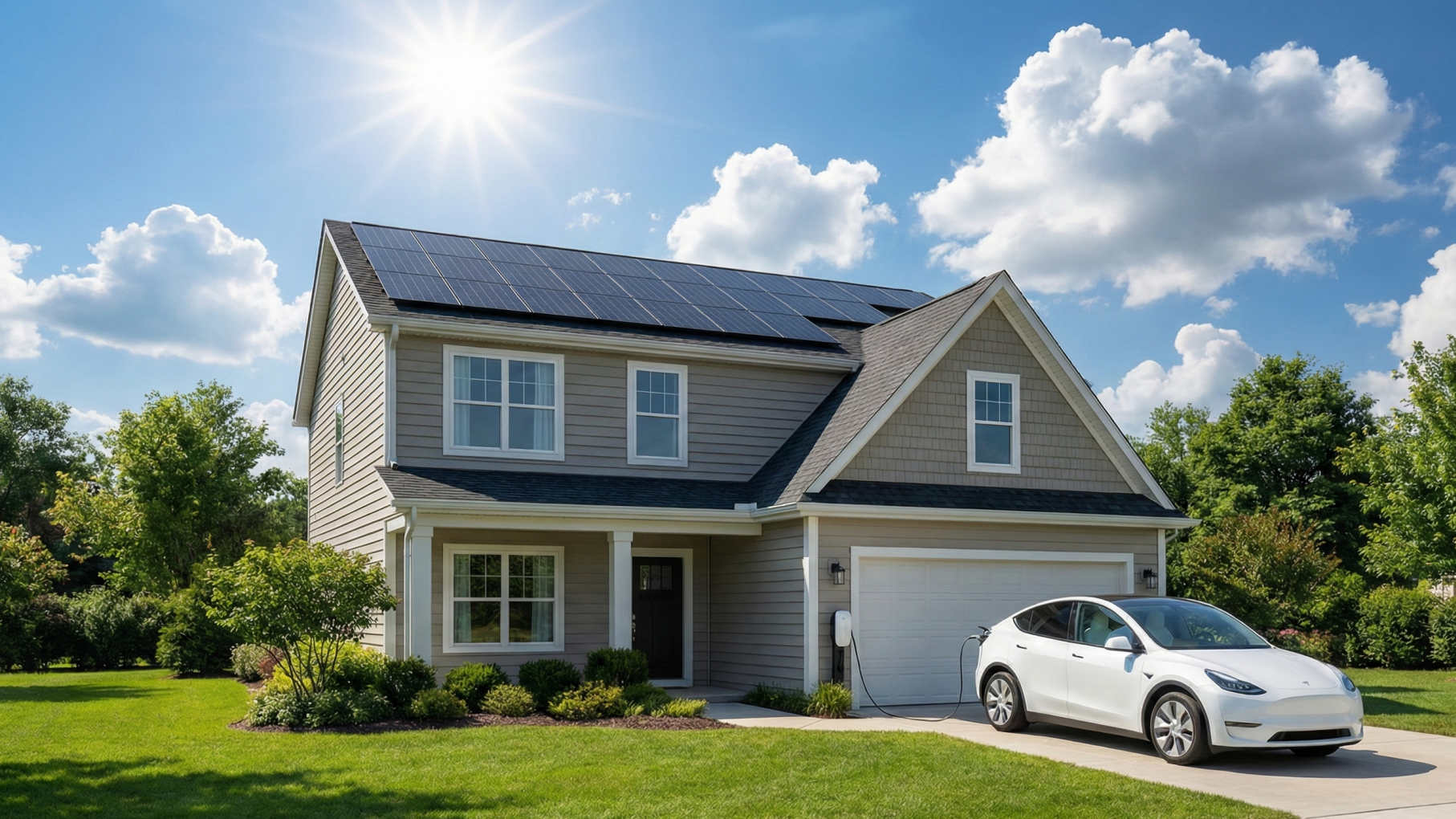
Future-Proofing Your System: Do not just look at past usage; look ahead. Are you planning to buy an electric vehicle (EV)? Are you adding a swimming pool or a home addition? Inform your installer of these plans so they can size the system to accommodate future demand.
5. Select a Qualified Installer and Secure Financing
Residential solar installation is a construction project that requires electrical expertise. When vetting professionals, look for proper licensure, certification (such as NABCEP), and familiarity with local permitting processes.
Questions to ask potential installers:
-
Can you provide recent customer references?
-
What are the warranty terms for both the equipment and the labor?
-
Will you handle the interconnection paperwork with the utility company?
Once you have selected a bid, explore financial incentives. The Federal Investment Tax Credit (ITC) and various state-level rebates can significantly offset the upfront cost.
6. Why Choose SNADI/SNAT Solar?
Navigating the technical and logistical hurdles of solar installation can be complex, but you don't have to do it alone.
SNADI/SNAT Solar specializes in simplifying the transition to renewable energy. We do not believe in one-size-fits-all solutions. Instead, we analyze your specific property architecture and energy patterns to engineer a custom system that aligns with your budget and sustainability goals.
The SNADI/SNAT Advantage:
-
Precision Installation: We ensure panels are mounted safely and oriented for maximum output.
-
End-to-End Support: From the initial site survey to post-installation maintenance, our team manages the entire lifecycle.
-
Ongoing Reliability: We provide robust support to ensure your system operates at peak efficiency for years to come.
Conclusion
Planning a solar electric system involves analyzing your usage, inspecting your property, and choosing the right financial model. By following these steps, you ensure that your investment yields maximum returns.
If you are ready to secure your energy future, SNADI/SNAT Solar is ready to help. Contact us today to discuss your needs, and let our experts design a high-efficiency solution tailored just for you.
✉️Email: exportdept@snadi.com.cn
Website:
www.snadisolar.com
www.snatsolar.com
☎️WhatsApp / WeChat: +86 18039293535