In the complex ecosystem of a solar energy project, the Solar Charge Controller is often referred to as the "intelligent brain" of the system. While the solar panels capture energy and the batteries store it, the controller ensures this transfer happens safely, efficiently, and reliably. For B2B professionals—including solar installers, distributors, and EPC contractors—choosing the right controller is not just a technical detail; it is a critical decision that impacts the project's ROI and the lifespan of the entire energy storage system (ESS).
As a premier solar product manufacturer since 2010, SNADI has been at the forefront of power electronics, providing high-performance solutions from our 20,000 square meter advanced manufacturing hub. In this guide, we will dive deep into the technical selection process of a Solar Charge Controller, specifically focusing on how SNADI’s MPPT technology can elevate your commercial and residential projects.
Why the Solar Charge Controller is Vital for Your System
A Solar Charge Controller regulates the voltage and current coming from the PV arrays to the battery bank. Without it, batteries can easily be overcharged, leading to gassing, electrolyte loss, and even permanent structural damage. Conversely, it prevents "reverse current" from flowing back to the panels at night, which would otherwise drain the battery.
For professionals deploying SNADI’s integrated solutions, such as our AL-S or NLB series, the controller works in perfect harmony with our pure sine wave inverters to provide a seamless power transition.
MPPT vs. PWM: Which One Should Your Project Use?
The debate between Pulse Width Modulation (PWM) and Maximum Power Point Tracking (MPPT) is central to system design.
The PWM Approach (Cost-Effective)
PWM controllers are a time-tested technology. They act like a switch that connects the solar array to the battery. While highly reliable and cost-effective for small-scale applications (like lighting or small cabins), they are less efficient because they cannot utilize the full power potential of the solar panels if the panel voltage doesn't perfectly match the battery voltage.
The MPPT Advantage (High Performance)
SNADI’s MPPT Solar Charge Controllers utilize high-frequency DC-to-DC conversion to "track" the maximum power point of the solar array. This allows the system to extract 20% to 30% more power than a standard PWM controller, especially in colder climates or cloudy conditions.
Technical Deep Dive: SNADI’s MPPT Specifications
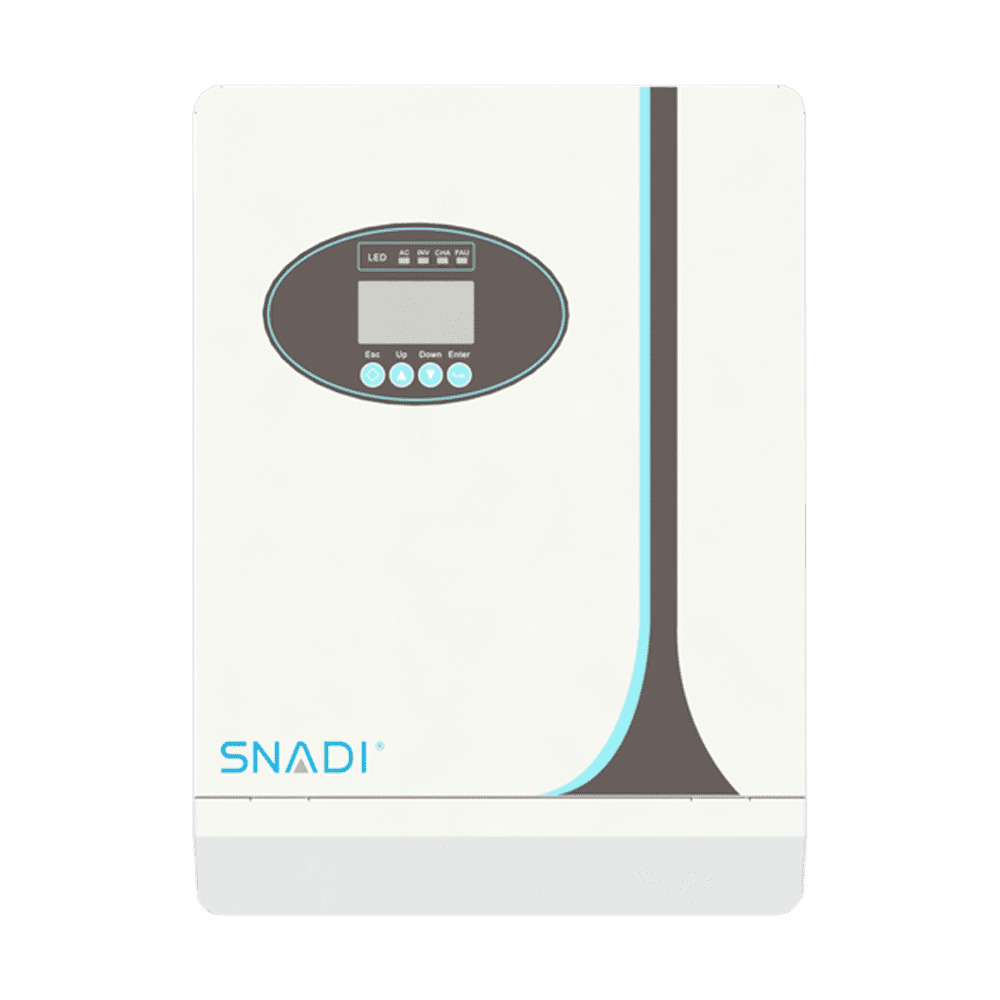
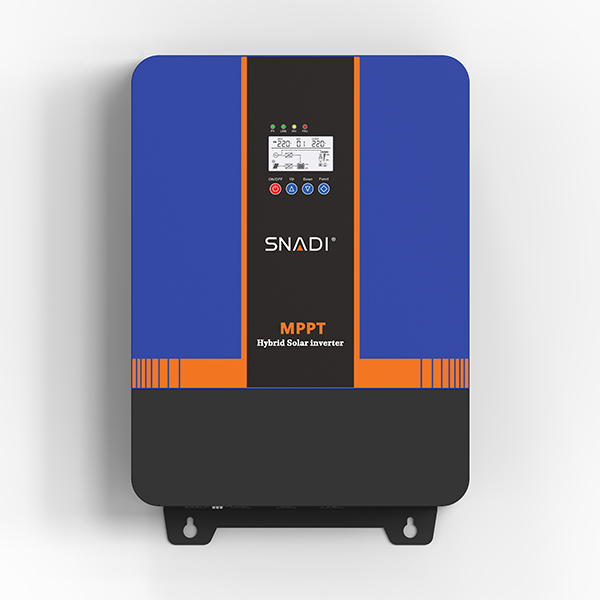
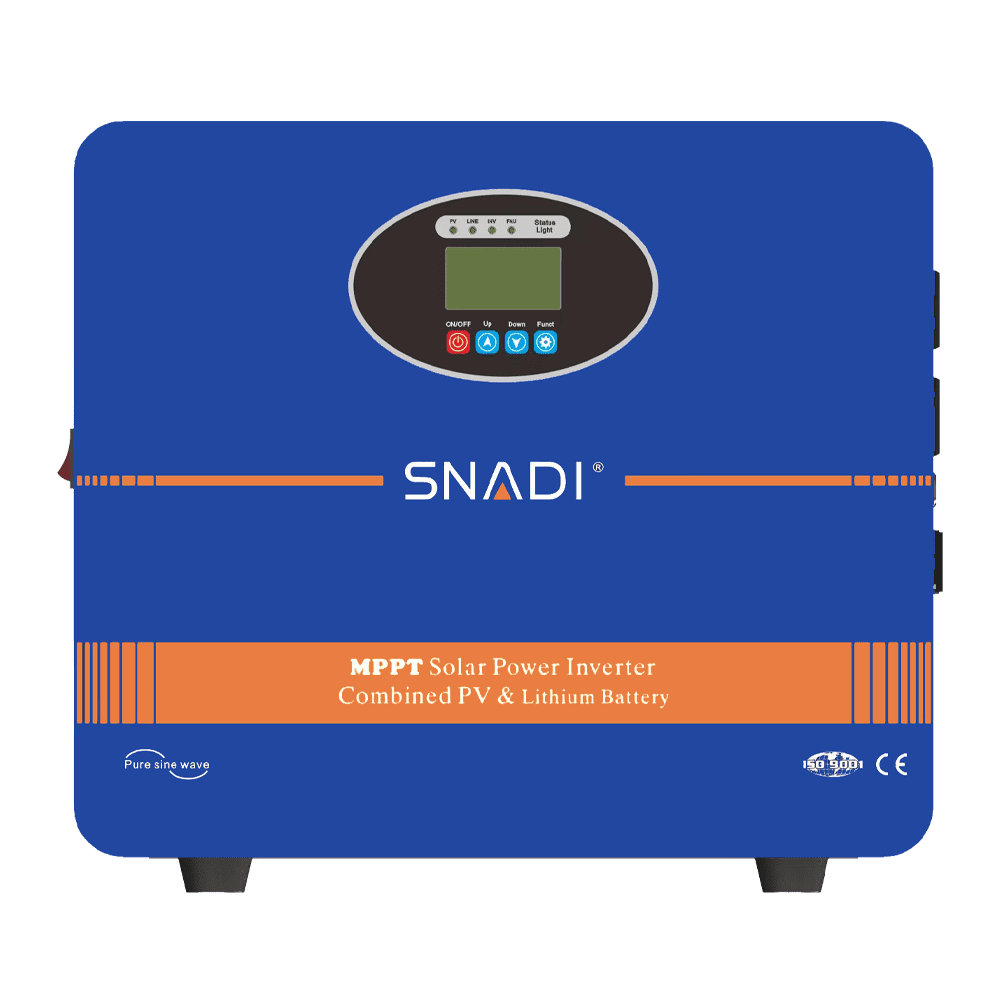
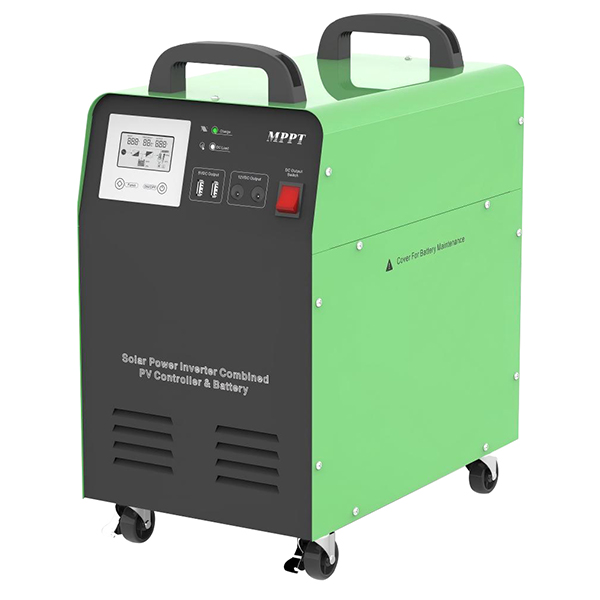
When selecting a controller for a large-scale project, technical specifications are the primary concern for engineers. Based on our latest 2025 Product Catalogue, SNADI’s MPPT controllers (found in series like the AS-363048) offer industry-leading parameters designed for robustness.
A. High Input Voltage Range
One of the standout features of the SNADI MPPT architecture is the wide MPPT Voltage Range of 80-280VDC, with a maximum PV input of 300VDC. This wide range allows installers to string more panels in series, significantly reducing wiring costs and minimizing energy loss over long cable runs.
B. Intelligent Charging Current
Our professional-grade controllers support a 40A charging current (and higher configurations), ensuring that even large battery banks, such as those in our HDB Stacked Series, can be recharged rapidly during peak sunlight hours.
C. Superior Conversion Efficiency
With a conversion efficiency of over 98%, SNADI controllers ensure that almost every watt harvested by the PV panels is delivered to the load or the battery.
Professional Sizing Comparison Table
To help your technical team make an informed decision, we have prepared a comparison between standard PWM technology and SNADI’s advanced MPPT solutions.
B2B Technical Comparison: PWM vs. SNADI MPPT Controller
| Feature | Standard PWM Controller | SNADI Advanced MPPT Controller |
| Energy Harvest Efficiency | 70% - 75% | 98% - 99% |
| Max PV Input Voltage | Usually < 50V (for 24V systems) | Up to 300VDC |
| System Compatibility | Basic 12V/24V | 12V/24V/48V Auto-Recognition |
| Best Application | Small residential/Lighting | Large ESS / Commercial / Industrial |
| Temperature Compensation | Limited | Advanced Intelligent Thermal Control |
| ROI (Return on Investment) | Longer (due to lower efficiency) | Shorter (higher yield per panel) |
How to Calculate the Right Controller Size for Your Project
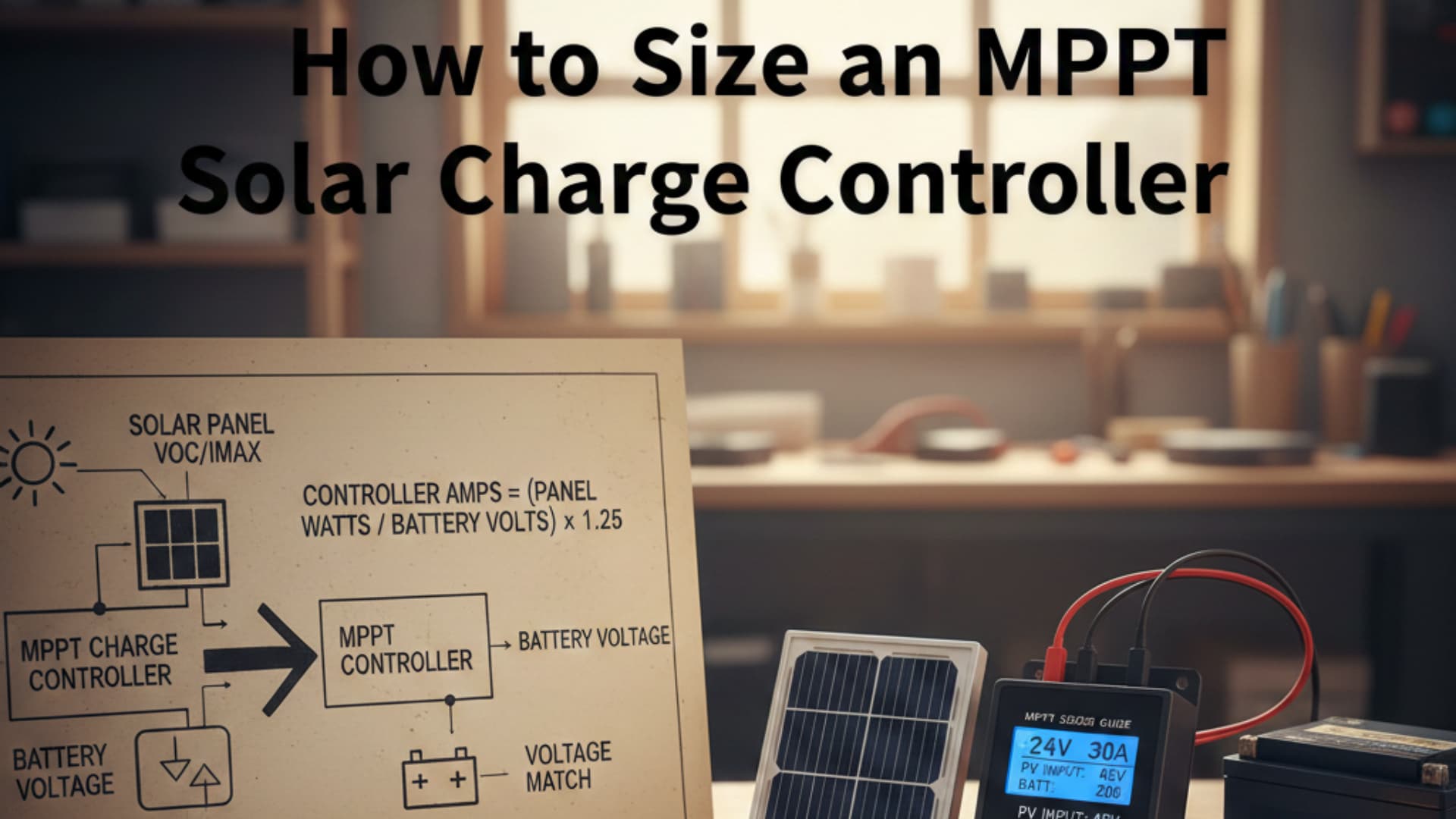
For B2B partners, accuracy in sizing is essential to avoid system failure. The "1.25x Safety Rule" is a standard protocol we recommend for all SNADI installations:
-
Calculate Array Current: Total Solar Panel Watts / Battery Voltage = Amps.
-
Apply Safety Margin: Multiply the result by 1.25 to account for unusual sunlight spikes (cloud lensing effect).
-
Check Input Voltage: Ensure the Voc (Open Circuit Voltage) of your panel string does not exceed the 300VDC limit of the SNADI MPPT controller.
For example, if you are designing a system for a SNADI AL-S5000 (51.2V system), using an MPPT controller with a wide voltage range ensures the system remains stable even if the panel temperature fluctuates significantly.
SNADI: Your Trusted OEM and ESS Solution Provider
Beyond manufacturing individual components, SNADI distinguishes itself as a comprehensive Energy Storage System (ESS) Solution Provider. We understand that B2B clients require more than just a product; they require a partnership.
Strategic OEM & ODM Support
With over 10 automated production lines, we provide extensive OEM and ODM services for global brands.
Customized Branding: We can integrate your logo and brand colors into our controller designs.
Tailored Parameters: Need a specific voltage range or communication protocol (like RS485 or WiFi)? Our R&D team of top engineers is ready to customize the firmware to your project’s needs.
Batch Consistency: Our ISO 9001 certified quality control ensures that every unit in a 1,000-piece order performs identically.
Integrated System Integration
Why source controllers, inverters, and batteries from different vendors? SNADI offers a "One-Stop Solution." Our MPPT controllers are designed to communicate perfectly with our AS, NKH, and NLB series inverters. This integration reduces installation time, simplifies troubleshooting, and optimizes the 10-year service life of the system.
Quality Assurance and Global Standards
At SNADI, "Quality is our top priority." Every Solar Charge Controller undergoes a rigorous testing phase, including:
Component Testing: Ensuring only high-grade MOSFETs and capacitors are used.
Prototype Stress Tests: Simulating extreme environmental conditions.
Final Product Inspection: Verification of efficiency and protection logic (Overcharge, Short Circuit, and Over-temperature).
Our adherence to CE, RoHS, and ISO 14001 standards ensures that our partners can bid on international tenders with confidence.
Conclusion: Empowering the Future with SNADI
Choosing the right Solar Charge Controller is a balance of technical precision and long-term vision. By opting for SNADI’s high-efficiency MPPT technology, you are investing in a system that delivers more power, requires less maintenance, and provides a faster path to energy independence.
Whether you are looking to bulk purchase for a regional distribution network or seeking a reliable OEM partner for a custom ESS project, SNADI has the manufacturing scale and engineering expertise to support your growth.
✉️Email: exportdept@snadi.com.cn
Website:
www.snadisolar.com
☎️WhatsApp / WeChat: +86 18039293535