The global surge in renewable energy is presenting unprecedented challenges to power systems worldwide. The integration of high proportions of variable renewables like solar and wind is seriously threatening grid stability. Grid-forming technology, a groundbreaking innovation, is shifting the paradigm from passively following the grid to actively building grid stability, making it a major industry focus. As leading companies globally expand their investments, grid-forming energy storage systems are moving from theory to practice, demonstrating exceptional value in numerous international projects.
What is Grid-Forming Technology?
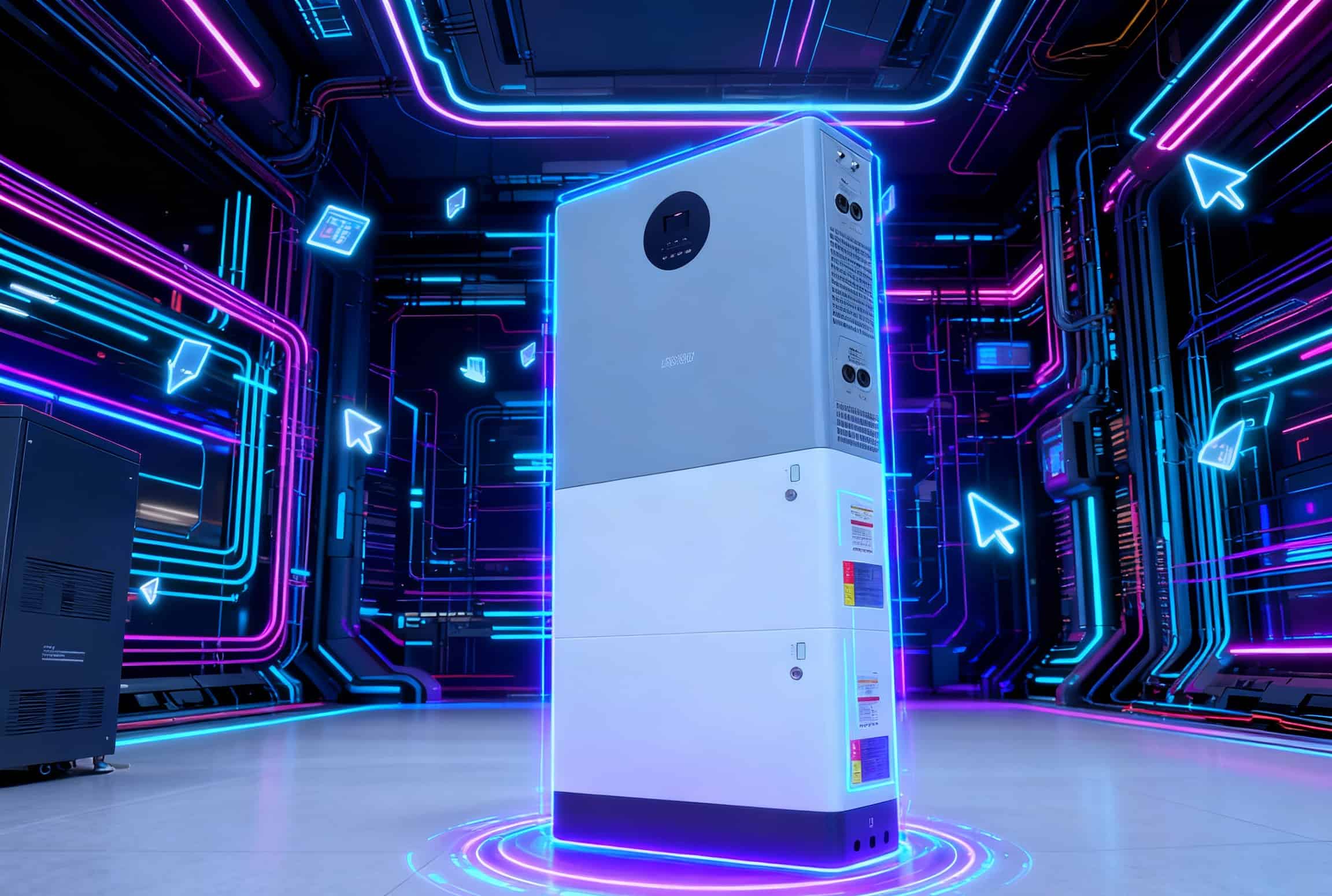
At its core, Grid-Forming (GFM) technology is a revolutionary control strategy. It enables power electronic devices like inverters and energy storage converters to mimic the operational characteristics of traditional synchronous generators. They actively create grid voltage and frequency, providing the essential stability support the modern power system needs.
Compared to conventional "grid-following" inverters, the key breakthroughs of GFM technology lie in its superior grid adaptability and active support capabilities. Crucially, GFM inverters can maintain continuous operation even during multiple extreme grid faults, significantly enhancing the anti-interference ability and grid reliability of renewable power plants.
Evolving Standards and Certifications
As GFM technology matures, its supporting standards and certification frameworks are continuously improving. In April 2025, the "Technical Specification for Grid-Forming Photovoltaic Converter Grid Connection" was officially released. This standard provides clear guidelines for the grid-connection environment, power quality, and functional requirements for grid-forming photovoltaic converters.
This standard applies to grid-forming PV converters with DC voltage not exceeding 1500V and AC output voltage not exceeding 1000V, laying a foundation for the healthy development of the industry. The establishment of these standards and certifications clears obstacles for the large-scale application of GFM technology and provides a technical basis for companies competing in the global market.
Industry Leaders and Innovative Products
Recognizing the immense potential of GFM technology, global energy enterprises are ramping up R&D and launching a series of innovative products.

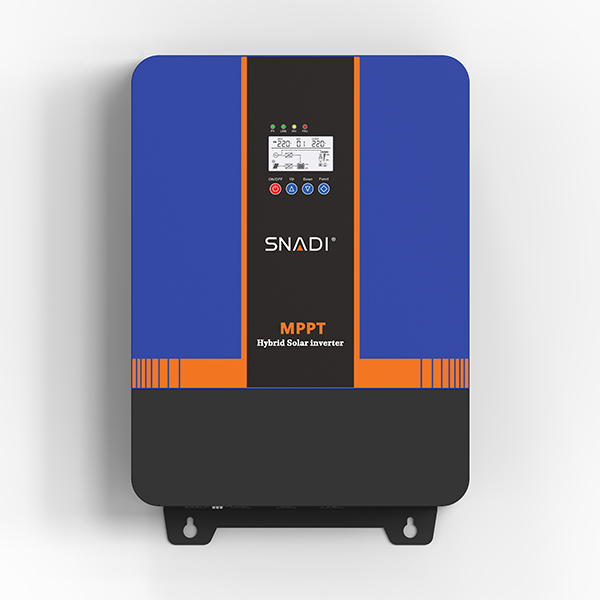
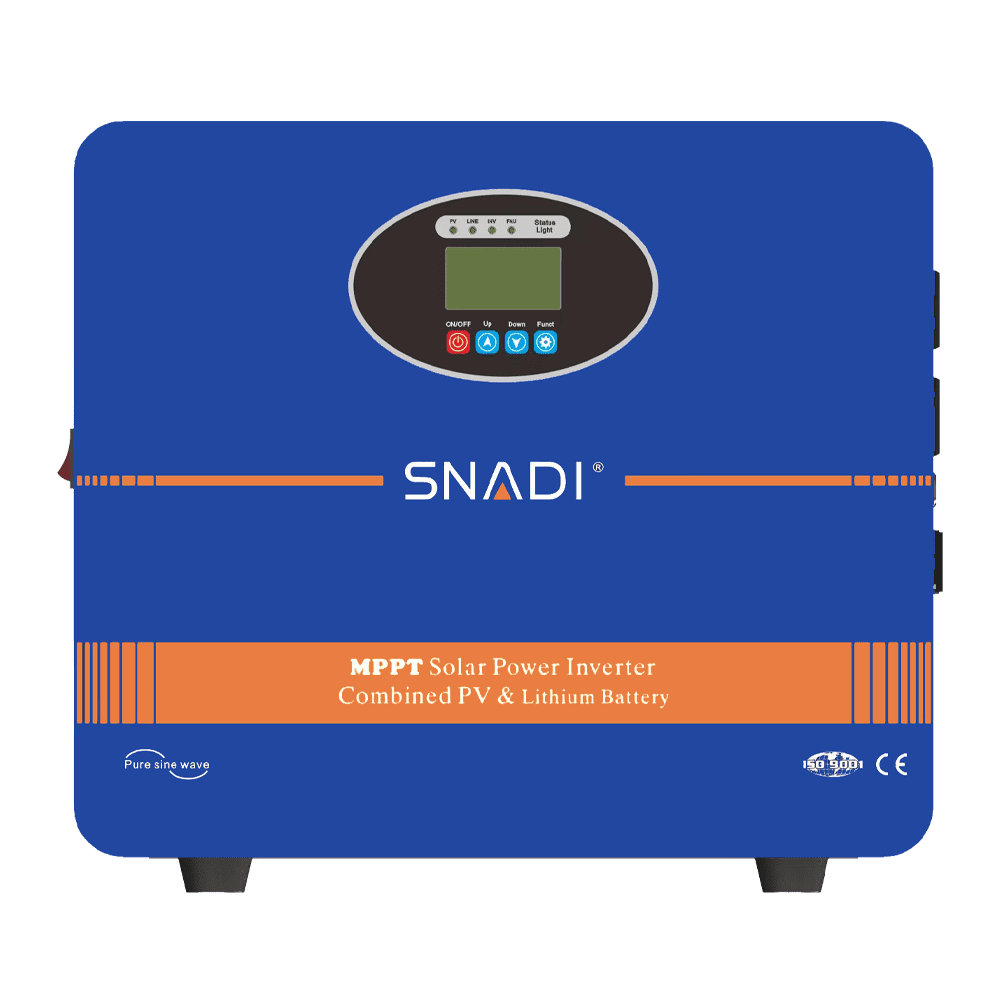
✅SNADI Solar has deployed grid-forming energy storage systems capable of millisecond-level response. Its systems can instantaneously output significant power to support grid frequency, helping to restore normal frequency within minutes.
✅Sungrow Power, an industry pioneer, has successfully applied its GFM systems in multiple international projects. In Saudi Arabia's NEOM, they are participating in the world's largest hybrid grid-forming project integrating solar, wind, storage, and hydrogen.
✅Haide New Energy launched the HD08PCS3500 3.5MW grid-forming energy storage converter in October 2025. This product supports the parallel operation of two units, can be integrated into a 7MW centralized storage system, and matches 6MWh+ DC systems, meeting diverse needs from generation, grid, and user sides.
Proven Value in Global Projects
The true value of GFM technology has been thoroughly validated in multiple demonstration projects worldwide.
Resilience and Performance: SNADI Solar's grid-forming storage has demonstrated stable operation under 300% overload conditions, can suppress low-frequency oscillations in the 0.2Hz~5Hz range, and supports rapid black start.
Environmental Adaptability: Haide New Energy's 3.5MW converter features an independent "dual-chamber" structure and a sand-dust prevention design, boasting an IP65 protection rating and C5 anti-corrosion capability, ensuring reliability in harsh environments.
Grid Support: A grid-forming energy storage project in Cambodia by Huawei Digital Power showed excellent operational capabilities, effectively controlling voltage fluctuations and maintaining stable operation within a wide voltage range of 5% to 130% of the nominal voltage.
The Future of Grid-Forming Technology
From an industry perspective, the maturation of GFM technology will drive technological upgrades and iteration across the entire solar and storage sector. As "dual-carbon" goals advance, companies like SNADI Solar will continue to innovate in power electronics, offering safer, more efficient, and intelligent solutions to build the new energy system.

The development of GFM technology aligns with the industry trend highlighted by Haide New Energy. In the dual context of AI-driven surging electricity demand and deepening energy transition, energy storage technology is systematically advancing toward higher power, stronger grid adaptability, and broader application scenarios.
Conclusion
Grid-forming technology is more than just a technical improvement; it is a critical enabler of the global energy transition. With the perfection of standards, the establishment of certification systems, and continuous cost optimization, GFM technology is expected to become the standard configuration for large-scale solar and storage projects within the next three to five years, laying a solid foundation for building a new power system based on a high penetration of renewable energy.
Contact our sales team to request a quotation or customized project proposal:
Email: exportdept@snadi.com.cn
Website: http://snadisoalr.com
WhatsApp / WeChat: +86 18039293535